
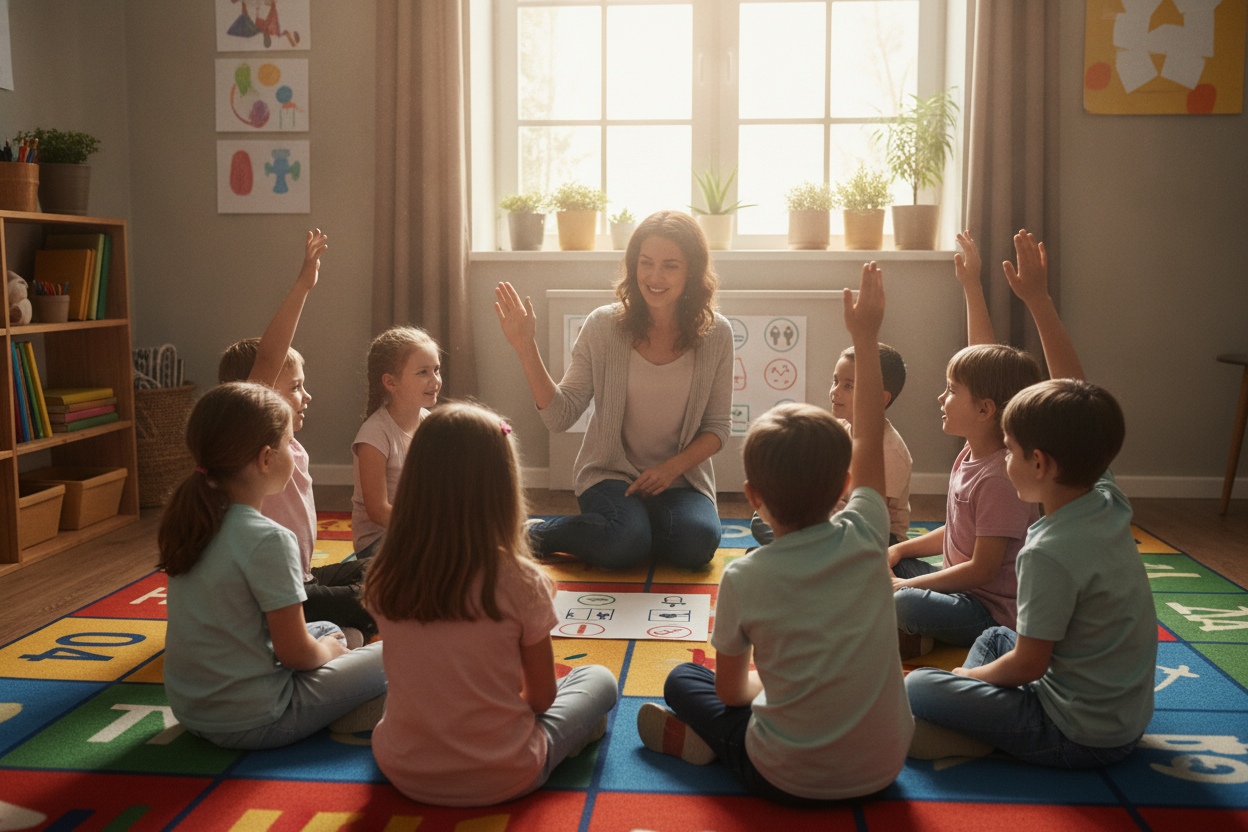
Educators are often the first to notice when something feels off in a classroom, hallway, or lunchroom. Small shifts in seating patterns, participation, or peer interaction can point to larger issues. Strong educator strategies begin with awareness, because prevention is easier when adults notice early signs of exclusion or repeated harm.
One effective approach is to establish clear expectations for respect and participation from the start. Children benefit when the classroom culture makes it obvious that cruelty, rumors, and intimidation are unacceptable. Consistent routines also help students feel grounded, which can lower tension and reduce opportunities for conflict.
When concerns arise, educators can respond best by staying neutral, documenting what they observed, and connecting students to the right support. A calm response helps avoid escalating the situation. It also shows students that adults are paying attention and will take action without public embarrassment.
Classroom relationships matter as much as policies. A teacher who learns students’ names, notices friendships, and checks in regularly creates a stronger sense of belonging. That sense of belonging can be one of the most effective protections against bullying. Good teaching is not only about instruction; it is also about building a space where students feel safe enough to learn.
Leave a Reply